
I used to wing it.
My questionnaire told me my clients’ kids’ names and ages, aaaaand that was about it. So I’d show up to family photography sessions with the same list of poses and prompts, plus a healthy dose of panic and anxiety because, honestly? I had no idea how the session was going to go. And I definitely didn’t have a plan for making one family’s session feel different from the last one I photographed.
There was very little personalization, a whole lot of rushing, and me constantly thinking about what I was supposed to do next. I’d be halfway through a session already thinking about the next pose, the next prompt, or what I could possibly say to get the kids to do what I wanted them to do. And eventually, I realized something: when you’re winging it, it’s really hard to actually be present.
Preparation changed the way I photograph families.
When you walk into a family photography session without much preparation, it’s really easy to get stuck inside your own head. You’re thinking about the next pose, the next prompt, the next thing you need to do to keep everyone engaged. You’re trying to remember what worked at the last session and figure out what you should do next.
And while you’re doing all of that, you’re not necessarily seeing the family in front of you.
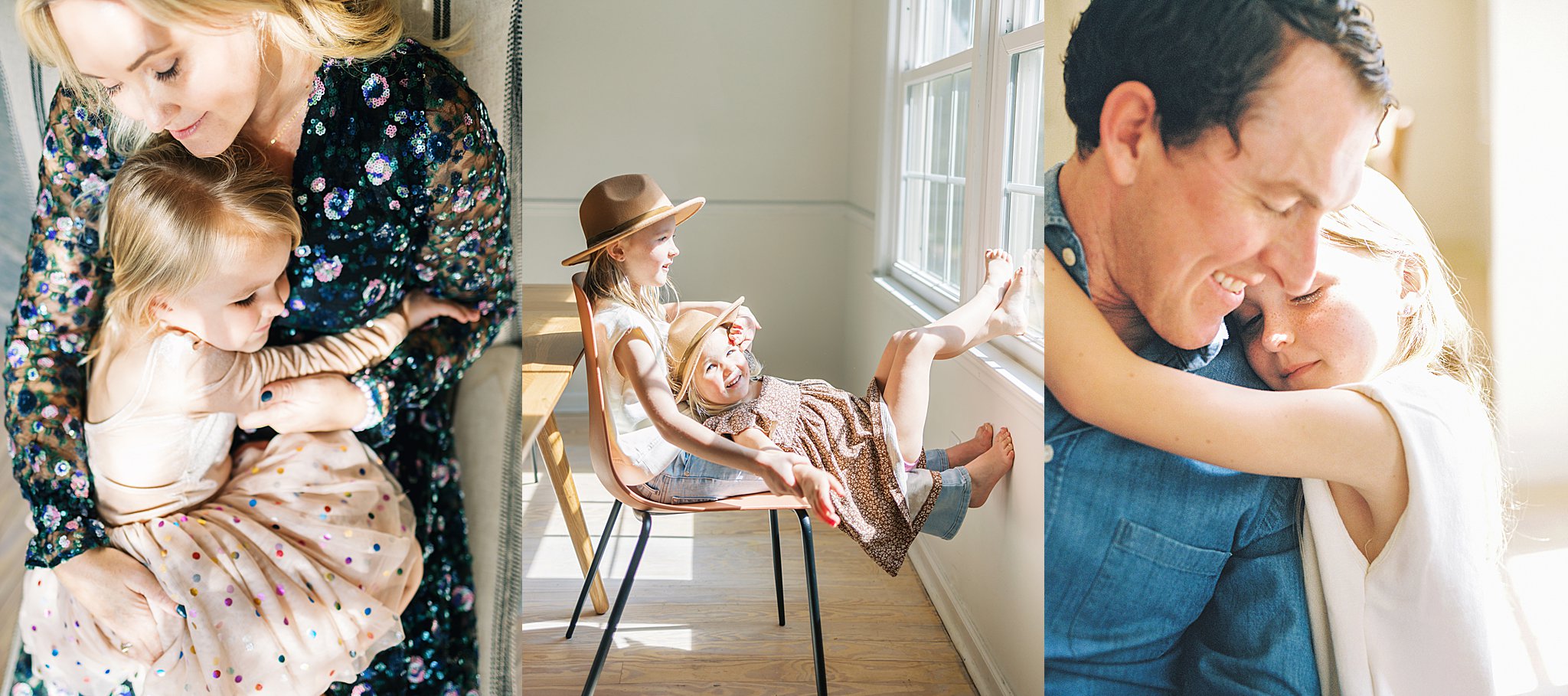
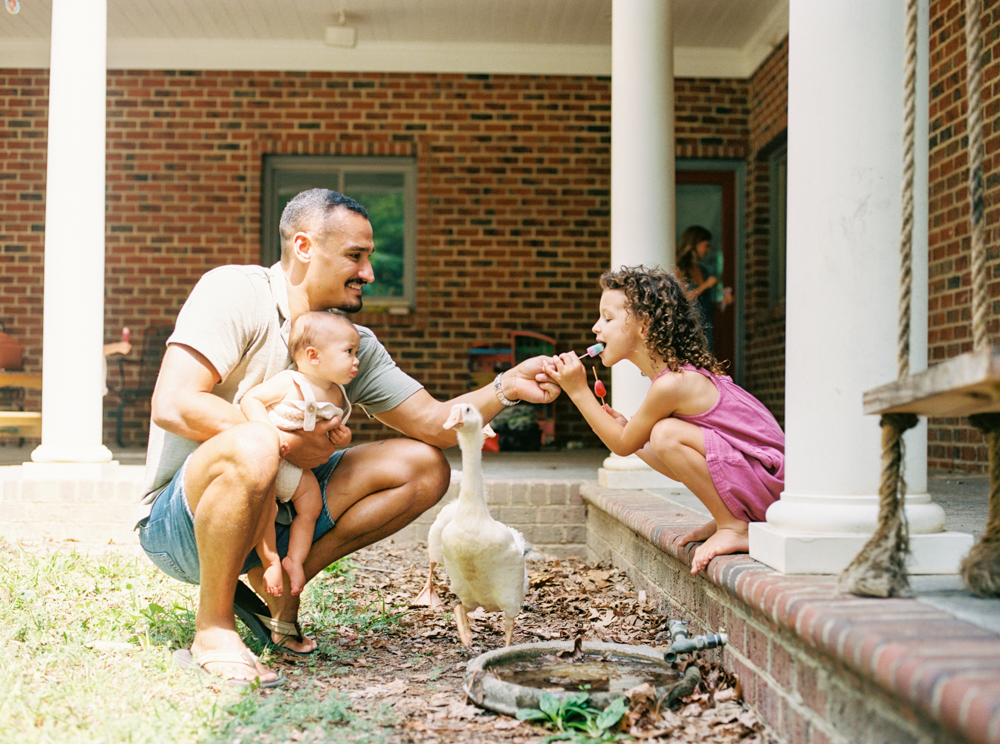
You might miss the way a dad naturally interacts with his daughter, or the way a toddler reaches for mom’s hand when they’re unsure. You might miss the little glance between siblings or the way a mom instinctively fixes her child’s hair. Instead, you’re focused on what you are supposed to be doing.
That was something I really had to learn as a family photographer. The goal isn’t to walk into every session knowing exactly what is going to happen. In fact, I think trying to control every moment can actually make it harder to create the kind of authentic family photography so many of us are after.
The goal is to know your clients well enough that you can walk into the session feeling prepared, confident, and comfortable enough to actually pay attention.
Once I started getting to know families before their sessions, everything changed. I had a better understanding of their personalities, their relationships, what mattered to them, and what they were hoping to get out of the experience. I wasn’t walking into a session wondering who these people were or trying to figure out how to make them interact. I already had a little bit of context.
And that context made it so much easier to relax.
Being prepared doesn’t mean having more poses
I think preparation can sometimes get confused with having a really detailed shot list or a million poses ready to go. But for me, it actually ended up meaning almost the opposite.
The more prepared I became, the less I felt like I needed to control the session.
When I knew my clients, I could walk into a family photography session with a general idea of where I wanted to go without feeling like I needed to force every family through the exact same sequence of prompts. I could pay attention to what was happening and let the session unfold naturally.
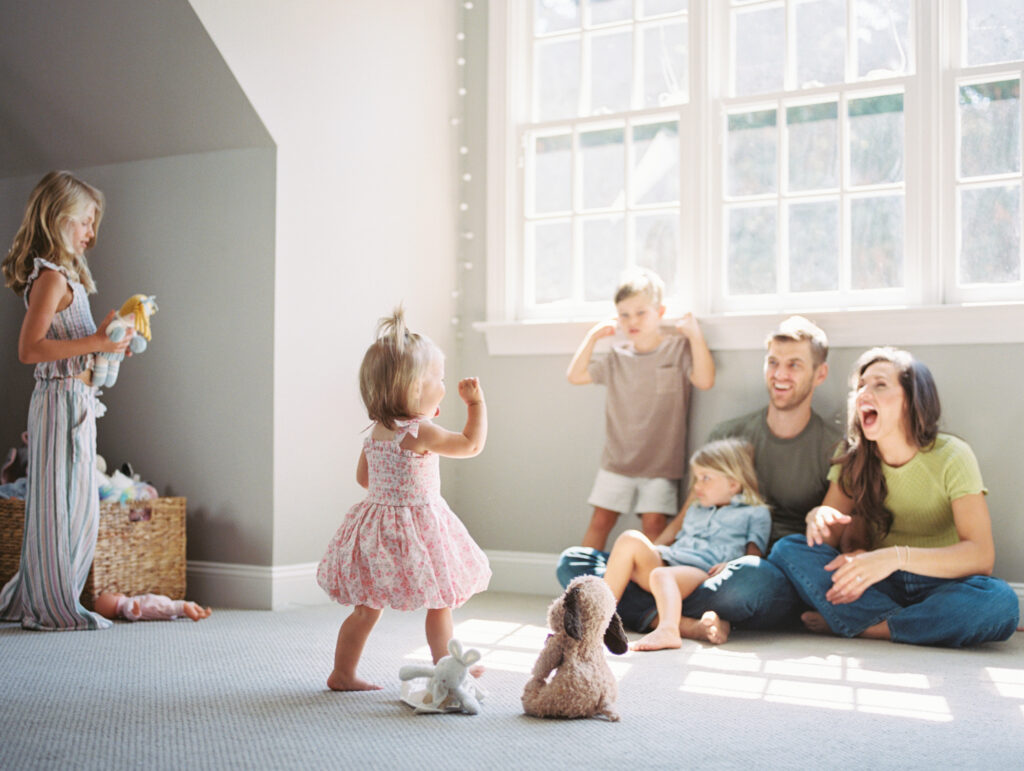
If the kids were running around, we could run. If a family naturally wanted to snuggle, we could slow down. If something unexpected happened that was actually more interesting than whatever I had planned, I could follow it.
That’s the kind of preparation that has made the biggest difference in my work.
It gives me enough structure to feel confident while still leaving room for the family to actually be themselves.
And honestly, I think that’s where the best images usually happen.
Your job isn’t just to get “good photos”
One of the biggest things I’ve learned through all of this is that my job isn’t simply to get a gallery full of technically good photos.
Because a technically good photo can still feel completely disconnected from the people in it.
I want to create images that feel like that family. I want their personalities and relationships to show up in the photographs. I want the images to feel specific enough that you couldn’t just swap them out for another family and have them mean the same thing.
And you can’t really create that kind of work when you’re spending the entire session thinking about what pose comes next.
You have to be able to see.
You have to be paying attention.
You have to notice the little things that make this family different from every other family you photograph.
That’s why I care so much about getting to know my clients before their family photography sessions. It isn’t just another step in my workflow or something I do because it makes me look more organized. It genuinely changes the way I photograph them.
Preparation creates more freedom
It sounds a little backwards, but being more prepared has actually given me more freedom during my sessions.
When I know who I’m photographing and I feel confident in my process, I don’t have to constantly be thinking about what I’m supposed to do next. I can slow down. I can observe. I can let something happen without immediately jumping in to direct it.
And those moments are often my favorites.
The little moments that weren’t on the shot list. The interactions that weren’t planned. The things a family does because that’s simply how they are together.
Those are the photographs that make me want to keep doing this.
So if you’re a family photographer who feels like you’re constantly scrambling during your sessions, maybe the answer isn’t another posing guide or another list of prompts.
Maybe it’s simply getting to know your clients a little better before you ever show up with your camera.
Because when you know the people in front of your lens, you don’t have to spend the whole session figuring out what to do next.
You can actually be there.
You can see them.
And ultimately, you can create photographs that feel like them.
Our Favorite Posts
don't miss